Call us today
Email Parkways
The world’s electricity comes from a wide range of power generation methods, each with its own technology, fuel source and environmental impact. From traditional thermal systems to innovative renewables and emerging technologies, understanding the types of power plants is key to appreciating how energy is produced and evolving.
Read on for an explanation of the types of power plants in use in the UK, or click below for our specific services.
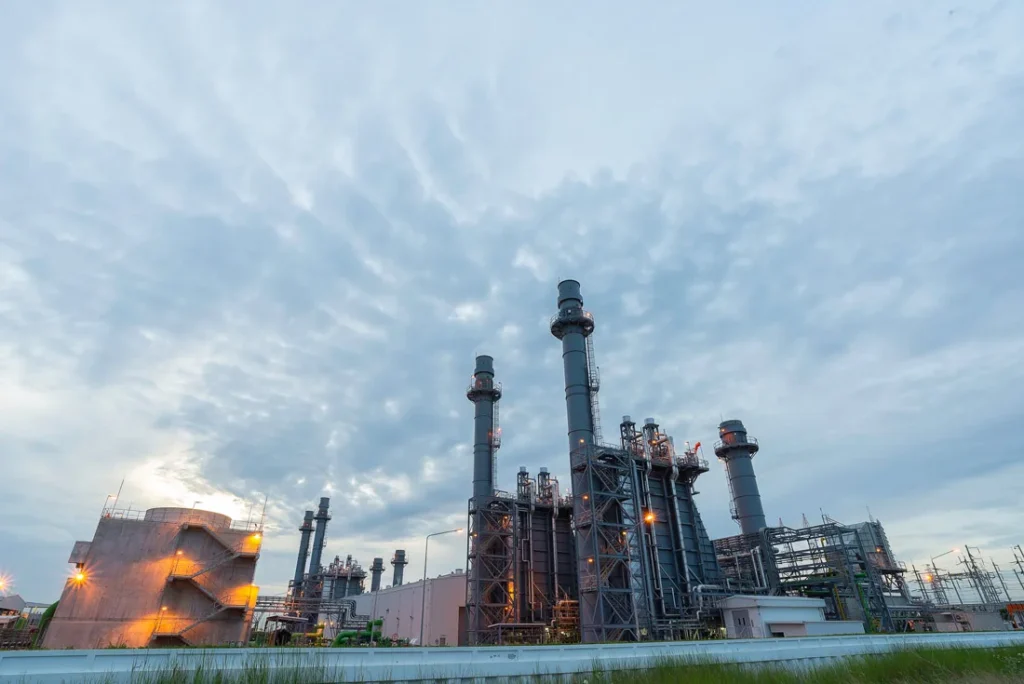
Thermal power plants generate electricity by converting heat energy into mechanical power, usually through the use of steam turbines. These systems remain a backbone of global energy supply but face increasing environmental scrutiny.
Coal-Fired Power Plants: Coal is burned to heat water into steam, which drives turbine generators. These are cost-effective but produce high emissions and are being phased out in many regions.
Oil-Fired Power Plants: These burn petroleum-based fuels to generate steam. Due to cost and environmental concerns, they are less common in modern power systems.
Gas-Fired Power Plants: Natural gas turbines operate either on a simple cycle or combined cycle basis, where waste heat is used to boost efficiency. They emit less carbon than coal or oil alternatives.
Renewable power plants harness energy from natural sources like wind, sunlight, and water. These technologies support the move toward cleaner, more sustainable energy systems across the UK and globally.
Hydroelectric Power Plants: Using the flow or fall of water to spin turbines, hydroelectric systems are reliable and produce no direct emissions, making them a mainstay of renewable electricity worldwide.
Wind Power Plants: Wind turbines transform kinetic wind energy into electrical power. Onshore and offshore wind farms are expanding rapidly as low-carbon alternatives to fossil fuels.
Solar Power Plants: Solar energy is captured in two primary ways:
Geothermal Power Plants: These tap into underground heat sources to produce steam. They offer consistent, low-emission energy, particularly in geologically active areas
Biomass Power Plants: Biomass systems burn organic waste materials or produce biogas for fuel. When responsibly sourced, they can be a renewable, carbon-neutral energy source.
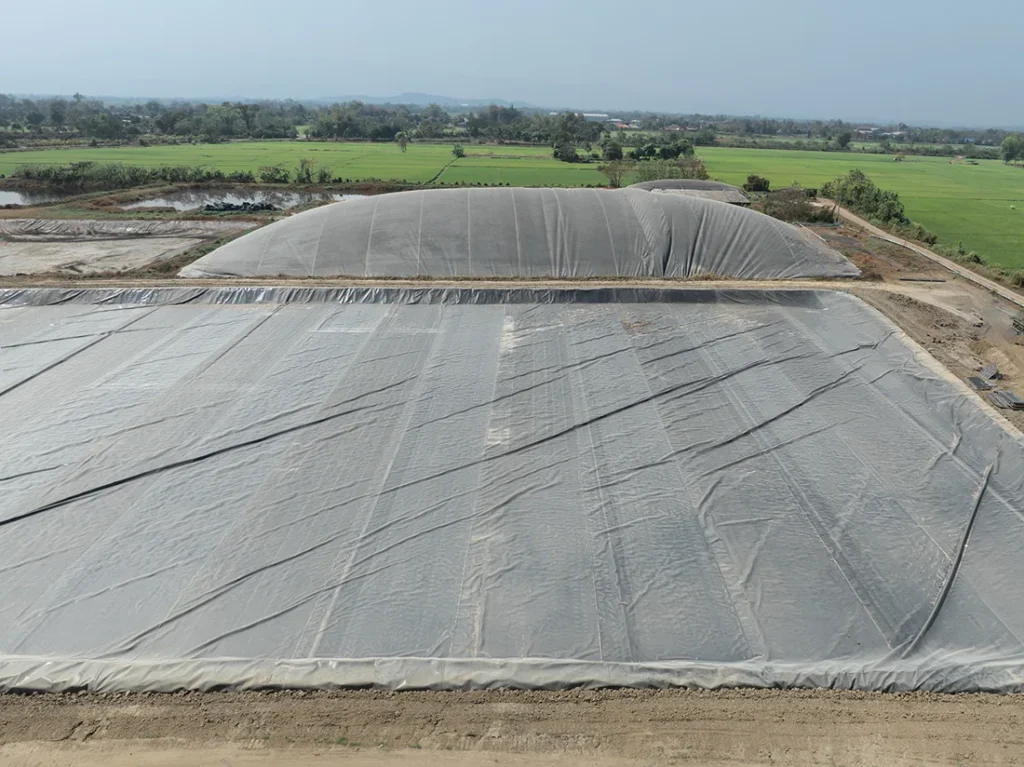
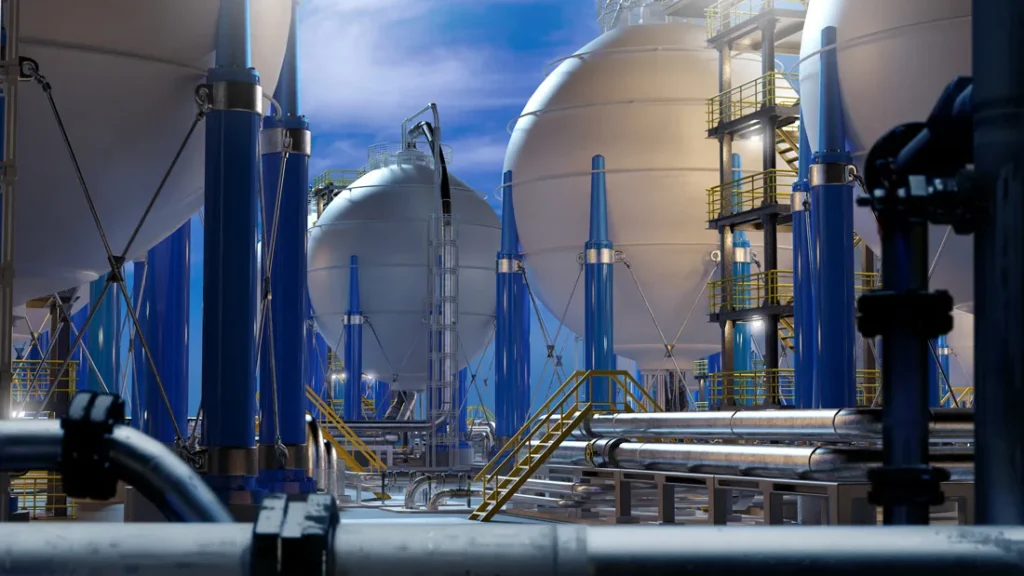
New energy generation methods are emerging to meet global demand while reducing environmental impact. These technologies hold long-term promise for a cleaner energy future.
Hydrogen Fuel Cell Plants: Hydrogen cells generate electricity through a chemical reaction between hydrogen and oxygen, emitting only water vapour. They are a key part of future zero-carbon energy systems.
Tidal and Wave Power Plants: Using ocean movement, these systems harness tidal currents and wave action to generate electricity. While still in development, they offer reliable renewable energy with minimal land use.
Waste-to-Energy Plants: These convert household and industrial waste into power through incineration or anaerobic digestion. This reduces landfill waste and contributes to circular energy practices, though emissions must be carefully managed.